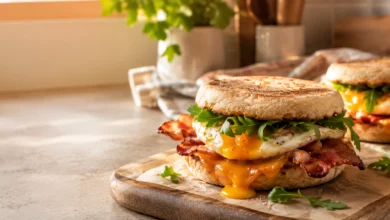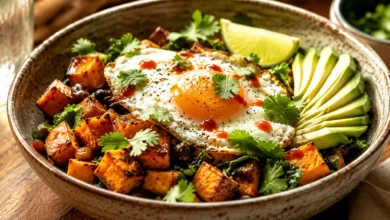
English Muffin Breakfast Ideas – Easy Recipes You’ll Make on Repeat
The nooks and crannies do all the work — here's how to make the most of them.

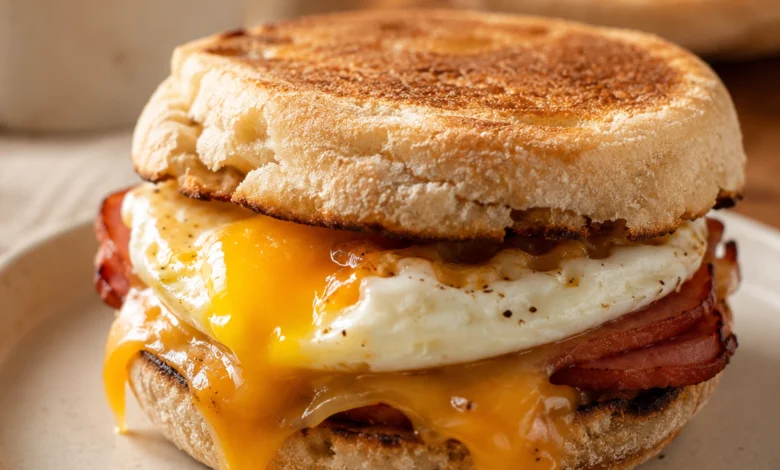
Most mornings don’t call for a complicated breakfast. But “simple” doesn’t have to mean boring, and that’s exactly where English muffins earn their spot in a regular breakfast rotation. They toast beautifully, hold toppings without turning soggy, and take well to almost any flavor direction — sweet, savory, or somewhere in between.
The problem most people run into isn’t effort. It’s running out of ideas. You toast a muffin and spread some butter, and that’s fine—but it starts feeling repetitive fast. This guide covers the best ways to build a genuinely satisfying English muffin breakfast, from the simplest two-ingredient combinations to more involved egg sandwiches worth making on a weekend.
What Makes English Muffins So Good for Breakfast
Before getting into specific ideas, it’s worth understanding why English muffins work so well as a breakfast base.
The nooks and crannies — created by the way English muffins rise and bake — aren’t just texture. They’re functional. Butter melts into them. Egg yolk soaks in. Jam sits instead of sliding off. That surface structure is the reason an English muffin toasts better than a standard sandwich roll and holds toppings more effectively than most other breads.
The fork-split rule matters here. Always split English muffins with a fork, not a knife. Running a fork around the perimeter and pulling the halves apart preserves those irregular pockets. A clean knife cut compresses them flat, and you lose most of the textural benefit.
I tested this side-by-side once out of curiosity—the fork-split half soaked up the butter evenly and had more crunch after toasting, while the knife-cut half was noticeably more uniform and a little dense. The difference is small but real.
Difficulty Level
Beginner to Intermediate, depending on the recipe.
Most English muffin breakfast ideas are genuinely beginner-friendly. A loaded egg sandwich requires a bit of timing — getting the egg, cheese, and any add-ins ready at the same time — but nothing technically difficult.
Recipe Highlights
- Ready in under 15 minutes for most variations
- Works with pantry staples already in most kitchens
- Easily customizable for sweet or savory preferences
- Holds up well for meal prep and make-ahead assembly
- Great for single servings or feeding a group
Ingredient Notes
The English Muffin Itself
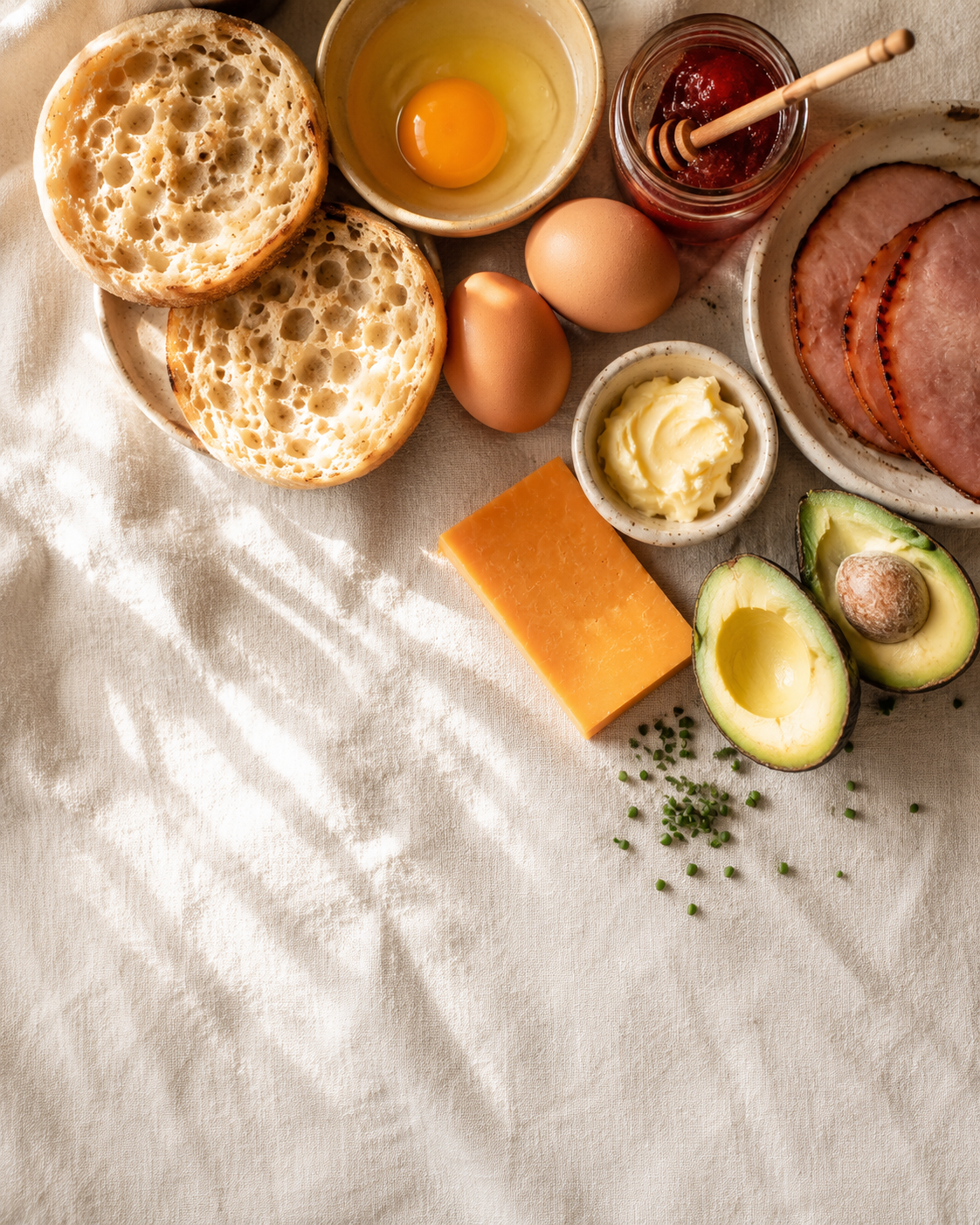
Standard-size English muffins from any major brand work fine here. Thomas’ is the most widely available in the US and toasts consistently well. For a slightly more complex flavor, look for sourdough English muffins or whole wheat varieties—they have a bit more depth and hold up better with heavier toppings like avocado or egg salad.
Gluten-free options are widely available now and toast well, though they tend to be a little denser.
Eggs
For a sandwich build, a fried egg with a slightly runny yolk or a scrambled egg folded tight both works well. The runny yolk version is messier but better. Poached eggs work if you’re comfortable with the technique, but scrambled is the most forgiving and holds together well in a sandwich.
Cheese
Sharp cheddar and American are the most common choices. Sharp cheddar gives more flavor; American cheese melts cleaner and coats evenly. Pepper jack adds a mild heat without overpowering the other ingredients. Gruyère is excellent for a more intentional build.
Proteins
Canadian bacon is the classic pairing — it’s lean, savory, and fits the shape of an English muffin almost perfectly. Regular bacon works but tends to hang over the edges. Breakfast sausage patties, thinly sliced ham, or smoked salmon all work depending on the flavor direction you’re going.
Spreads and Toppings
Butter is the baseline. Beyond that, cream cheese, avocado, pesto, hot sauce, and whole-grain mustard all pair well. For sweet builds: good jam, honey, nut butter, or Nutella.
English Muffin Breakfast Ideas
1. Classic Butter and Jam
The simplest and still one of the best. Toast the muffin until it’s golden—slightly more done than you think it needs, around 3 to 4 minutes on a medium-high toaster setting—then add cold butter immediately so it melts unevenly into the crannies. A good-quality jam or fruit preserve makes a real difference here. Strawberry, fig, and apricot all work well.
2. Avocado with Flaky Salt and Lemon
Mash half a ripe avocado directly on a toasted muffin half and spread it out to the edges. Add a squeeze of fresh lemon juice, a pinch of flaky sea salt, and red pepper flakes if you want a little heat. This takes about two minutes and actually keeps you full. Add a sliced hard-boiled egg on top to make it more substantial.
3. Egg and Cheese Breakfast Sandwich
This is the workhorse of the English muffin world, and getting it right is mostly about heat control. Cook your egg in a small skillet over medium heat—not too high, or the whites get rubbery edges before the yolk has time to set at all. Add a slice of cheese in the last 30 seconds of cooking and cover the pan with a lid so it melts evenly. Toast the muffin while the egg finishes. Assemble immediately.
In my kitchen, I add a thin layer of hot sauce on the bottom half before the egg goes on—just enough to cut through the richness without announcing itself.
For a more loaded version, add one or two slices of Canadian bacon to the same pan before the egg. Let it get a little color on both sides — about 1 minute per side. It adds more depth than plain cold-cut ham does.
4. Smoked Salmon and Cream Cheese
Spread a generous layer of whipped cream cheese on a toasted muffin, then layer smoked salmon, thin-sliced red onion, a few capers, and fresh dill if you have it. A squeeze of lemon over the top finishes it. This is on the more indulgent side but takes under 5 minutes.
5. Peanut Butter and Banana
Toast the muffin, spread peanut butter while it’s still warm, then layer thin banana slices over the top. A drizzle of honey and a pinch of cinnamon make it feel more intentional. This works particularly well with whole-wheat English muffins—the slightly nutty flavor holds up better against the peanut butter.
6. Mini Breakfast Pizza Style
Spread a tablespoon of marinara or pizza sauce on each muffin half, add shredded mozzarella, and top with whatever you have — sliced pepperoni, sautéed mushrooms, or crumbled cooked sausage. Broil for 3 to 4 minutes until the cheese is bubbling and the edges of the muffin are deep brown. Watch these closely—broiler times vary, and they go from perfectly done to overdone quickly. I usually keep the oven rack one level lower than the top position to give a little more buffer.
7. Egg Salad on a Toasted Muffin
A slightly underrated option. Make a simple egg salad — hard-boiled eggs, a spoonful of mayo, a touch of Dijon, salt, and a little fresh chive — and spoon it onto a warm toasted muffin half. The warm muffin against the cool egg salad is a good contrast. This also works well as a make-ahead option since egg salad keeps in the refrigerator for up to three days.
8. Ricotta with Honey and Fresh Fruit
Spread a thick layer of whole-milk ricotta on a toasted muffin half, drizzle with honey, and add fresh berries or sliced stone fruit. A pinch of lemon zest brings it together. This one reads as more of a weekend breakfast—slightly more effort but still under 10 minutes.
Step-by-Step: Classic Egg and Cheese English Muffin Sandwich
This is the foundational build most of the other savory ideas branch from.
Step 1—Toast the Muffin
Fork-split the English muffin and toast it until golden and crisp — about 3 to 4 minutes on a standard toaster’s medium-high setting. You want actual color here, not just warm bread.
Step 2 — Cook the Egg
Heat a small skillet over medium heat and add a small amount of butter or neutral oil. Crack the egg directly into the pan. For a fried egg: cook undisturbed for about 2 minutes, then cover with a lid for 30 seconds to set the whites without flipping it. For scrambled: whisk with a tablespoon of milk, pour into the pan, and fold gently with a spatula over medium-low heat until just set. Pull off heat while still slightly wet-looking—carryover heat finishes it.
Step 3 — Assemble
Place your cheese slice on the egg during the last 30 seconds of cooking and cover to melt. Layer any proteins or spreads on the toasted muffin first, then add the egg. Close and serve immediately.
After testing multiple ingredient combinations and cooking methods, this version consistently delivered the best texture. The small step of covering the pan to melt the cheese made the biggest difference in every batch.
Expert Tips
- Toast on the darker side. English muffins hold up better to toppings when they have real structure. Under-toasted muffins go soft quickly once anything wet touches them.
- Room temperature eggs cook more evenly than cold eggs straight from the refrigerator. If you have time, pull them out 10 to 15 minutes ahead.
- Butter immediately after toasting. The residual heat from a freshly toasted muffin helps butter melt into the crannies rather than sitting on top.
- For meal prep, assemble sandwiches, wrap individually in foil or parchment, and refrigerate for up to 3 days. Reheat in a 350°F oven for 10 to 12 minutes.
- Double up the batch when cooking eggs for a group. A large skillet handles 3 to 4 eggs at once with enough space. More than that, the temperature drops too much.
Common Mistakes
Mistake 1 — Cutting with a Knife
Cause: Seems like the quicker option.
Fix: Fork-split every time. Run a fork around the perimeter and pull the halves apart. This is the single most impactful technique change for getting better texture.
Mistake 2 — Not Toasting Long Enough
Cause: Pulling the muffin out as soon as it’s warm rather than waiting for actual browning.
Fix: Push the toaster lever down twice, or use a toaster oven and aim for a visible golden-brown color on the cut surface. Properly toasted muffins hold toppings far better and stay crisp longer.
Mistake 3 — Adding Toppings to a Cold Muffin
Cause: Toasting ahead and then letting the muffin cool before assembling.
Fix: Assemble while the muffin is still warm. Butter, cream cheese, and avocado all spread more easily and absorb better on a warm surface.
Mistake 4 — High Heat on Eggs
Cause: Trying to speed up the cooking.
Fix: Medium or medium-low heat for eggs. High heat creates rubbery whites and overcooked yolks before anything has a chance to come together properly.
FAQ
Can I make English muffin breakfast sandwiches ahead of time?
Yes. Wrap assembled sandwiches in foil and refrigerate for up to 3 days. Reheat in a 350°F oven for 10 to 12 minutes. They reheat better than most people expect — the foil keeps the egg from drying out.
Can I freeze them?
Yes, but skip any fresh produce (avocado, tomato, and fresh greens). Wrap each sandwich in foil, then place in a zip-lock freezer bag. Freeze for up to 1 month. Reheat straight from frozen at 350°F for 20 to 25 minutes, or unwrap and microwave for 1 to 2 minutes.
Which English muffin brand toasts the best?
Thomas’ Original is the most consistent and widely available. For more flavor complexity, Thomas’ Sourdough or any whole wheat variety from a grocery bakery section works well. Store brand options are generally fine — the main thing to check is that they’re not overly thick, which can result in uneven toasting.
Why does my egg always stick?
Either the pan isn’t hot enough when the egg goes in (causes sticking) or it’s too hot (causes the egg to seize immediately). Preheat the pan over medium heat for a full minute before adding butter or oil, then add the egg when the butter is just foamy — not browned.
Can I use an English muffin for a sweet breakfast?
Absolutely. Butter and jam, nut butter and banana, ricotta with honey and fruit — sweet toppings work well on a toasted English muffin. Slightly thicker spreads like ricotta or nut butter work better than very thin liquids, which absorb quickly and can make the muffin soggy.
Storage and Reheating
Room Temperature
Untoasted English muffins keep at room temperature for up to a week in the original packaging. Once opened, store in a zip-lock bag or airtight container to prevent drying out.
Refrigerator
Assembled sandwiches keep refrigerated for up to 3 days, wrapped in foil or placed in an airtight container. The muffin softens slightly but reheats well.
Freezer
Freeze assembled sandwiches (without fresh vegetables or avocado) for up to 1 month. Wrap each one individually in foil, then place in a freezer bag.
Reheating
- Oven: 350°F for 10 to 12 minutes from refrigerated, 20 to 25 minutes from frozen (keep wrapped in foil)
- Microwave: Unwrap from foil, wrap in a damp paper towel, and heat on medium power for 60 to 90 seconds
- Toaster oven: 325°F for 8 to 10 minutes is the best option for reheating — gives you some crisping without drying out the egg
Variations
Whole Wheat English Muffin Builds
Whole wheat muffins have a slightly nuttier, denser base that pairs better with bold savory toppings—think sharp cheddar, Canadian bacon, and spicy mustard. They also hold up better if you’re meal-prepping a few days ahead, since they stay firmer longer once toasted.
Vegetarian Builds
Egg and cheese is already vegetarian-friendly. For more variety: roasted red pepper and hummus, sautéed spinach with feta, or a simple caprese build with fresh mozzarella and tomato. The broiler method from the mini pizza variation works well for most of these.
High-Protein Builds
For a more protein-dense version, use two eggs (scrambled), add cottage cheese or Greek yogurt-based spread in place of butter, and include a protein like turkey sausage or smoked salmon. This approach works well as a post-workout breakfast.
Sweet Builds
- Peanut butter, honey, and banana slices
- Ricotta with fig jam and walnuts
- Nutella with sliced strawberries and a pinch of flaky salt
- Cream cheese with blueberry preserves and a little lemon zest
Nutrition
Based on a classic egg and cheese English muffin sandwich with one egg, one slice of American cheese, and one teaspoon of butter.
- Calories: approximately 320–370 kcal
- Protein: 16–18g
- Carbohydrates: 30–34g
- Fat: 14–18g
- Sodium: 580–680mg
Values vary depending on specific ingredients, brands, and portion sizes.
Recipe Card
Prep Time: 5 minutes Cook Time: 8 minutes Total Time: 13 minutes Servings: 1 Calories: ~350 kcal Category: Breakfast Cuisine: American Method: Stovetop / Toaster Difficulty: Beginner