Healthy Mac and Cheese (Creamy, Lightened-Up Comfort Food)
Creamy, cheesy mac and cheese made lighter with a butternut squash cheese sauce and whole wheat pasta.

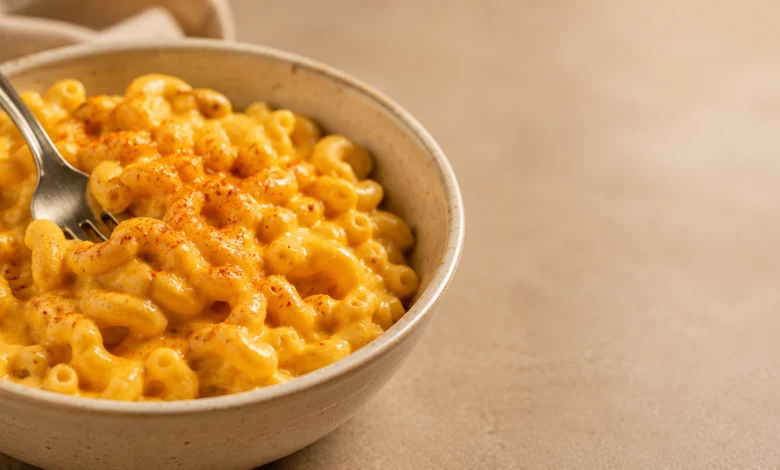
Most “healthy” mac and cheese recipes either skimp on the cheese and taste like sad orange sauce, or they lean so hard on cauliflower that you can taste it in every bite. Neither one delivers what you actually want from mac and cheese, which is comfort.
The fix here is butternut squash, not as the star but as a backup to real cheese. It blends into a smooth, creamy base that stretches the sauce further without watering down the flavor, so you still get a genuinely cheesy, rich result, just with less cheese and butter than a traditional stovetop version needs.
Whole wheat pasta adds a bit of fiber without announcing itself, and the whole thing comes together in one pot in under 30 minutes.
Quick Answer
Cook whole wheat pasta while simmering diced butternut squash until soft, then blend the squash with milk, sharp cheddar, and seasonings into a smooth sauce. Toss the sauce with the drained pasta until creamy and coated, then serve immediately.
Difficulty Level
Beginner. This is a one-pot, mostly hands-off recipe. The only technique involved is blending the sauce smooth, which a regular blender handles easily.
Recipe Highlights
- Creamy, cheesy sauce made lighter with butternut squash
- Whole wheat pasta for extra fiber without a heavy “healthy” taste
- Ready in under 30 minutes, one pot plus a blender
- Kid-friendly, most people can’t taste the squash at all
- Easily doubled for a crowd or meal prep
Why This Recipe Works
Cheese sauce usually gets its body from a butter-and-flour roux plus a large amount of cheese, which adds up fast in fat and calories. Blended butternut squash brings that same creamy, slightly sweet body to the sauce, which means you need less cheese to get a sauce that still tastes rich and cheesy, not thin or bland.
Sharp cheddar is doing the flavor work here, so even in a smaller quantity it comes through clearly, especially with a bit of garlic powder, mustard powder, and smoked paprika to round out the flavor the way a bigger batch of cheese normally would.
The 3-Step Plan
Step 1
Cook the pasta and simmer the butternut squash at the same time.
Step 2
Blend the squash with milk, cheese, and seasonings into a smooth sauce.
Step 3
Toss the sauce with the drained pasta until creamy and combined.
Ingredient Notes
Butternut squash is the base of the lightened sauce. Pre-cut squash from the grocery store saves time if you don’t want to peel and dice it yourself.
Whole wheat pasta works best in a short shape like elbows or shells, which hold the sauce well. Regular pasta can be swapped in if you prefer a milder flavor.
Sharp cheddar gives the most cheese flavor per ounce, which matters since you’re using less of it than a traditional recipe. Mild cheddar will taste noticeably less cheesy.
Milk loosens the blended sauce to the right consistency. Whole milk gives the richest result, though 2% works fine too.
Mustard powder is a small addition that boosts the “cheesy” flavor without adding any noticeable mustard taste; it’s a classic mac and cheese trick.
Smoked paprika adds warmth and a subtle color boost that makes the sauce look more traditionally orange-cheesy.
If you want this dairy-free, a plant-based milk and dairy-free cheddar shreds can generally substitute, though the sauce will taste noticeably milder.
Ingredients

Pasta
- 12 oz whole wheat elbow pasta or shells
Cheese Sauce
- 2 cups butternut squash, peeled and diced small
- 1 cup vegetable broth or water
- 1 cup milk
- 1 1/2 cups sharp cheddar, freshly shredded
- 1/2 teaspoon garlic powder
- 1/2 teaspoon mustard powder
- 1/4 teaspoon smoked paprika
- Salt and black pepper, to taste
Optional Add-Ins
- 1 cup steamed broccoli florets
- Extra shredded cheddar for topping
Step-by-Step Instructions
Step 1—Cook the pasta
Bring a large pot of salted water to a boil and cook the whole wheat pasta according to package directions until al dente. Drain and set aside, reserving 1/2 cup of pasta water in case the sauce needs loosening later.
Step 2—Simmer the butternut squash
While the pasta cooks, combine the diced butternut squash and vegetable broth in a saucepan. Bring to a simmer and cook for 10-12 minutes, until the squash is completely fork-tender.
The first time I tried this with squash that wasn’t fully soft, the sauce came out slightly grainy instead of silky, so now I make sure a fork slides through with zero resistance before blending.
Step 3—Blend the sauce
Transfer the squash and its cooking liquid to a blender. Add the milk, garlic powder, mustard powder, and smoked paprika, then blend until completely smooth, about 30-45 seconds.
Step 4—Add the cheese
With the blender still running on low, or by pulsing, add the shredded cheddar in two additions, blending until fully melted into the sauce and glossy. If the sauce feels too thick, thin it with a splash of the reserved pasta water.
Step 5 — Combine and serve
Pour the cheese sauce over the drained pasta in the pot and stir until every piece is coated and creamy. Fold in steamed broccoli here if using. Taste and season with salt and pepper, then serve immediately while the sauce is at its silkiest.
In my kitchen, this sauce thickens fast once it sits, so I usually serve it within a few minutes of mixing for the creamiest texture.
Expert Tips
- Shred your own cheddar off the block; pre-shredded cheese has anti-caking additives that can make the sauce slightly grainy
- Don’t skip checking the squash for doneness; undercooked squash is the main reason this sauce turns out less than silky smooth
- Reserved pasta water is the easiest way to loosen the sauce without watering down the flavor
- Serve right away; the sauce is at its creamiest fresh and thickens noticeably as it cools
- A blender gets this smoother than an immersion blender, though an immersion blender works in a pinch with a bit more blending time
Common Mistakes
Mistake 1—Sauce turns out grainy instead of smooth
Cause: Squash wasn’t fully cooked before blending, or preshredded cheese was used.
Fix: Simmer the squash until a fork meets zero resistance, and shred cheese fresh off the block for the smoothest melt.
Mistake 2—Sauce tastes bland instead of cheesy
Cause: Mild cheddar was used instead of sharp, or seasonings were skipped.
Fix: Stick with sharp or extra-sharp cheddar, and don’t skip the mustard powder and smoked paprika; they do a lot of quiet flavor work.
Mistake 3—Sauce is too thick and clumpy
Cause: Not enough liquid, or the sauce sat too long before serving.
Fix: Loosen with reserved pasta water a tablespoon at a time, and serve as soon as the pasta and sauce are combined.
FAQ
Can I freeze this?
It’s best fresh, since the sauce can separate slightly after freezing and thawing. If you do freeze it, store in an airtight container for up to 2 months and stir in a splash of milk while reheating to bring the sauce back together.
Can I make it ahead?
The squash cheese sauce can be made up to 3 days ahead and refrigerated separately from the pasta, then reheated gently with a splash of milk and tossed with freshly cooked pasta.
Why did my texture turn out wrong?
“Grainy” usually means undercooked squash or pre-shredded cheese. Too thick usually means the sauce needs more liquid or sat too long before serving. Both are easy to fix on the spot.
Can I use a different squash?
Yes, pumpkin puree or acorn squash can generally substitute, though the flavor will shift slightly sweeter or earthier depending on which you choose.
Will my kids notice the squash?
Most people don’t, especially with the cheddar and seasonings doing the flavor work. The color stays a familiar cheesy orange, which helps too.
Storage and Reheating
Room Temperature
Not recommended for more than 1 hour, this dish is best enjoyed fresh.
Refrigerator
Store in an airtight container for up to 4 days.
Freezer
Freeze for up to 2 months, though texture is best when eaten fresh or refrigerated.
Reheating
Reheat gently on the stovetop or in the microwave with a splash of milk stirred in to loosen the sauce back to creamy.
Variations
Baked Healthy Mac and Cheese
Transfer the finished mac and cheese to a baking dish, top with breadcrumbs and extra cheese, and bake at 375°F for 15 minutes until golden and bubbly.
Spicy Healthy Mac and Cheese
Add a pinch of cayenne pepper and a few dashes of hot sauce to the blended sauce for a subtle kick.
Protein-Boosted Mac and Cheese
Stir in shredded rotisserie chicken or cooked ground turkey along with the broccoli for a more filling main dish.
Nutrition
Estimated per serving, based on 6 servings
- Calories: 340
- Protein: 17g
- Carbohydrates: 44g
- Fat: 10g
- Sodium: 320mg