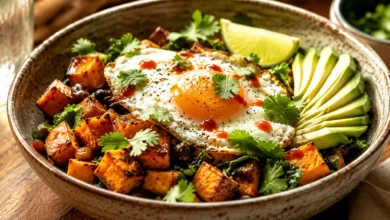
Chorizo Breakfast Skillet (Easy One-Pan Recipe)
One pan, bold flavors, and eggs cooked exactly how you like them — this skillet breakfast is the kind of meal that makes you look forward to mornings.


If your weekday breakfasts have been feeling like an afterthought, this skillet is about to change your mornings. Most one-pan breakfasts either lack flavor or require too many steps. This one has neither problem. Chorizo does most of the heavy lifting—its fat renders into the pan and seasons everything around it, giving the potatoes and eggs a depth that takes zero extra effort.
This is a breakfast that holds together. It’s filling enough to carry you through a long morning, fast enough to make on a Tuesday, and flexible enough to work with what’s already in your fridge.
Quick Answer
A chorizo breakfast skillet is a one-pan stovetop dish made with Mexican chorizo, diced potatoes, eggs, and aromatics. The chorizo cooks first, releasing its seasoned fat into the pan. The potatoes cook in that fat until golden, then the eggs go in last—scrambled, nestled, or fried directly in the pan. Total time is about 30 minutes from start to finish.
Difficulty Level
Beginner. Everything cooks in one skillet in a logical sequence. No special technique required — just a good pan and the patience to let the potatoes crisp properly before stirring.
Recipe Highlights
- Ready in about 30 minutes
- Only one pan to clean
- Naturally gluten-free
- Works with Mexican or Spanish chorizo
- Eggs can be scrambled, over easy, or poached directly in the skillet
- Easy to scale for a crowd
- Great for meal prep — potatoes and chorizo reheat well
Why This Recipe Works
The real secret here is fat management. Mexican chorizo is a fresh, uncooked sausage loaded with chile, garlic, and spices. When it hits a hot pan, it breaks down and releases deeply flavored red-orange fat. That fat then coats every potato cube and onion piece in the pan, essentially building a sauce without any extra work.
The potatoes get par-cooked briefly before going into the skillet, which cuts down on total cook time and prevents the outside from burning before the inside is done. Cooking the eggs last — directly over the potato and chorizo mixture — means they absorb all that flavor instead of cooking in isolation.
This is a recipe where technique matters more than ingredients. Follow the order of operations, and it comes together easily every time.
The 3-Step Plan
Step 1—Cook the Chorizo
Brown the chorizo in your skillet, breaking it apart as it cooks. Once the fat has fully rendered and the meat is cooked through, remove the sausage and leave the fat behind.
Step 2—Crisp the Potatoes
Cook diced potatoes in the chorizo fat until golden and tender. Add onion and bell pepper halfway through so they soften without burning. Return the chorizo to the pan.
Step 3 — Add the Eggs
Create wells in the mixture or pour in beaten eggs. Cover and cook until the eggs reach your preferred doneness. Finish with fresh toppings and serve immediately.
Ingredient Notes
Mexican chorizo—This is the key ingredient. Mexican chorizo is a raw, crumbled sausage, not the cured Spanish variety. It seasons the entire skillet without adding anything extra. You’ll find it in the meat aisle, usually in a plastic casing. If you can only find Spanish chorizo, slice it thin instead of crumbling it — it won’t release the same fat, so add a drizzle of olive oil to compensate.
Potatoes — Yukon Gold or russet both work. Yukon Golds hold their shape better and have a slightly buttery flavor. Russets get crispier on the edges. I personally prefer Yukon Golds here—they stay intact through all the stirring. Dice them small, about ½ inch, so they cook through in the time the recipe allows.
Bell pepper — Red or orange bell pepper adds natural sweetness that balances the heat from the chorizo. Green works too, but it’s more bitter. Completely optional if you don’t have one.
Eggs — Four to six eggs depending on how many you’re feeding. You can crack them whole for fried-style eggs with runny yolks or beat them lightly and pour them in for a scrambled texture throughout.
Onion — Yellow onion is the standard here. It softens into the fat and disappears into the skillet in the best way.
Garlic — Two to three cloves, added with the onion. Garlic burns easily, so don’t add it too early.
Toppings — Fresh cilantro, sliced avocado, shredded cheese, sour cream, hot sauce, or pickled jalapeños. None of these are required, but they lift the whole dish.
Ingredients

Base
- 2 medium Yukon Gold potatoes, diced into ½-inch cubes (about 2 cups)
- 12 oz Mexican chorizo, casing removed
- 1 small yellow onion, diced
- 1 red bell pepper, diced
- 3 cloves garlic, minced
- 1 tbsp olive oil (only if needed)
- Salt and black pepper to taste
Eggs
- 4–6 large eggs
Optional Toppings
- Fresh cilantro, chopped
- Shredded Monterey Jack or cheddar cheese
- Sliced avocado or a spoonful of guacamole
- Sour cream
- Hot sauce or pickled jalapeños
Step-by-Step Instructions
Step 1—Par-Cook the Potatoes
Bring a small pot of salted water to a boil. Add the diced potatoes and cook for 5–6 minutes, until just barely fork-tender but not fully cooked through. Drain and set aside. This step is worth doing—it cuts the total skillet time significantly and ensures the potatoes finish cooking at the same rate as everything else.
Step 2—Brown the Chorizo
Heat a large cast iron or heavy skillet over medium-high heat. Add the chorizo, breaking it into pieces with a wooden spoon as it cooks. Cook for 5–7 minutes until the meat is fully browned and the fat has rendered into a deep red oil. Transfer the cooked chorizo to a plate, leaving the fat in the pan. If the fat looks excessive (more than 2 tablespoons), drain some off.
Step 3—Crisp the Potatoes
Add the par-cooked potatoes to the hot chorizo fat in a single layer. Let them sit undisturbed for 2–3 minutes before stirring—this is what creates the golden crust. Stir once, then let them sit again. Total potato time is about 8–10 minutes. Season lightly with salt and pepper.
Step 4 — Add Aromatics
Push the potatoes to the sides of the pan. Add the diced onion and bell pepper to the center. If the pan looks dry, add a small drizzle of olive oil. Cook for 4–5 minutes, stirring occasionally, until the onion is translucent and softened. Add the garlic and cook for another 60 seconds. Mix everything together.
Step 5 — Return the Chorizo
Add the browned chorizo back to the skillet. Stir to combine everything evenly. Taste the mixture and adjust seasoning. The chorizo is well-seasoned, so you likely won’t need much extra salt at this point.
Step 6 — Cook the Eggs
Make 4–6 small wells in the surface of the skillet mixture using the back of a spoon. Crack one egg into each well. Season the eggs lightly with salt and pepper. Reduce the heat to medium-low, cover the skillet with a lid, and cook for 4–6 minutes. Check at 4 minutes—the whites should be fully set and the yolks should still have some movement if you like them runny. For fully set yolks, cook another 1–2 minutes.
If you prefer scrambled eggs, beat the eggs with a fork before adding, pour them over the entire mixture, and fold gently with a spatula until just set.
Step 7 — Finish and Serve
Remove from heat. Top with fresh cilantro, shredded cheese, avocado slices, and any other toppings. Serve directly from the skillet while everything is still hot.
Expert Tips
- Don’t skip the par-cook step. Raw potato cubes take significantly longer to cook through than the chorizo, which throws off the whole timing. Five minutes in boiling water solves this cleanly.
- Use a cast iron skillet if you have one. It holds heat evenly and gives the potatoes a better crust than a nonstick pan.
- Let the potatoes sit before stirring. Constant movement prevents browning. Give each side at least 2 minutes of contact with the pan.
- Taste before adding salt. Chorizo is already heavily seasoned. Over-salting is a common mistake with this dish.
- Cover the skillet when cooking the eggs. The steam trapped under the lid cooks the tops of the eggs without needing to flip them.
- Mexican chorizo varies by brand. Some are spicier than others. If you’re heat-sensitive, check the label or use half the amount and supplement with extra potato.
After testing multiple ingredient combinations and baking methods, this version consistently delivered the crispiest base and best texture. The simple pre-bake step made the biggest difference in every batch.
Common Mistakes
Mistake 1 — Using Spanish Chorizo Instead of Mexican
Cause: Both products use the same name, which causes a lot of confusion at the grocery store. Spanish chorizo is cured and sliced; Mexican chorizo is raw and crumbled.
Fix: Look for Mexican chorizo in the fresh meat section, usually near breakfast sausages. It should be soft inside the casing, not firm. If the package says “cured” or “smoked,” it’s the Spanish variety — still delicious, but it won’t behave the same way in this recipe.
Mistake 2 — Crowding the Skillet
Cause: Adding too many ingredients at once drops the pan temperature dramatically, causing everything to steam instead of sear.
Fix: Use a 12-inch skillet at minimum. If your pan is smaller, cook the potatoes in two batches. Crowding is the most common reason potatoes come out soft instead of golden.
Mistake 3 — Overcooking the Eggs
Cause: Leaving the lid on too long or cooking over too high a heat after adding the eggs.
Fix: Reduce heat to medium-low before covering. Check at the 4-minute mark. Egg whites set fast—once the yolks are at your preferred consistency, take the pan off the heat immediately. Residual heat from the cast iron will continue cooking them slightly even off the burner.
I’ve pulled this skillet off the heat a minute early more times than I can count—the carry-over cooking from a cast iron pan is real, and it’s easy to overshoot the eggs if you’re not paying attention.
FAQ
Can I use leftover cooked potatoes?
Yes, and it actually works really well. Skip the par-cook step entirely and add the cooked potatoes directly to the chorizo fat. Since they’re already cooked through, you only need 3–4 minutes to get them crispy and heated.
Can I make this ahead of time?
The chorizo and potato base can be made a day in advance and refrigerated. Reheat in the skillet over medium heat, then add fresh eggs when you’re ready to serve. The eggs don’t hold well—always cook those to order.
Can I freeze a chorizo breakfast skillet?
The potato and chorizo portion freezes fine for up to 2 months. Store in an airtight container. Thaw overnight in the refrigerator and reheat in a skillet. Cooked eggs don’t freeze well and should always be made fresh.
What’s the difference between Mexican and Spanish chorizo?
Mexican chorizo is a raw, fresh sausage made from ground pork seasoned with dried chiles, garlic, and vinegar. It needs to be cooked before eating. Spanish chorizo is cured and smoked, sliceable, and ready to eat as-is. They’re both delicious, but they behave very differently in recipes.
Can I make this without eggs?
Absolutely. The chorizo and potato base is a solid dish on its own. Serve it with toast, wrap it in a flour tortilla with some cheese, or use it as a filling for breakfast burritos.
My potatoes aren’t crisping — what’s going wrong?
Two most likely causes: the pan isn’t hot enough, or there’s too much moisture in the pan. Make sure the potatoes are well-drained after the par-cook and patted dry before they go into the skillet. A cold, damp potato won’t crisp in any pan.
Storage and Reheating
Refrigerator
Store leftovers in an airtight container for up to 3 days. Store any egg-topped portions separately if possible, since the eggs become rubbery when reheated.
Freezer
The chorizo and potato base freezes well for up to 2 months. Leave the eggs out before freezing. Portion into individual servings for easy reheating.
Reheating
Stovetop (recommended): Reheat in a skillet over medium heat with a small drizzle of oil for 4–5 minutes, stirring occasionally, until heated through and slightly crispy again.
Microwave: Works for a quick reheat, though the potatoes lose their texture. 90 seconds on medium power, stirring halfway through.
Variations
Breakfast Burrito Filling
Skip the eggs in the skillet and scramble them separately. Spoon the chorizo and potato mixture into large flour tortillas with the scrambled eggs, shredded cheese, and salsa. Wrap tightly and serve. This is also an excellent meal prep option — wrap individually in foil and refrigerate for up to 4 days.
Green Chile Chorizo Skillet
Add a small can of diced green chiles (4 oz) along with the onion and bell pepper. The mild heat and slightly smoky flavor pair perfectly with the chorizo. Finish with pepper jack cheese instead of Monterey Jack.
Sweet Potato Version
Substitute regular potatoes with sweet potatoes. The sweetness plays well against the spice of the chorizo. Sweet potatoes cook slightly faster, so reduce the par-cook time to 3–4 minutes and watch them carefully in the skillet—they brown quicker than Yukon Golds.
Sheet Pan Version
If you’re feeding a group, spread everything on a sheet pan and roast at 425°F. Cook the chorizo and potatoes first for 20 minutes, then create wells for the eggs and return to the oven for another 8–10 minutes.
The sweet potato variation is one I keep coming back to — the contrast between the sweet potato and the spiced chorizo is genuinely better than the original in my opinion, though my husband strongly disagrees.
Nutrition
Per serving, based on 4 servings with eggs. Estimates only—values will vary based on chorizo brand and toppings.
- Calories: approximately 480
- Protein: 24g
- Carbohydrates: 28g
- Fat: 30g
- Saturated Fat: 10g
- Sodium: 720mg
- Fiber: 3g
Recipe Card
Prep Time: 10 minutes Cook Time: 25 minutes Total Time: 35 minutes Servings: 4 Calories: ~480 per serving Category: Breakfast Cuisine: American, Mexican-Inspired Method: Stovetop, One-Pan Difficulty: Beginner